Choosing the right electric bike can be overwhelming. With so many options available, how does one decide? John Doe, a recognized expert in the electric bike industry, emphasizes, “The best electric bike is the one that suits your individual needs.” This perspective is crucial for making an informed choice.
Electric bikes vary significantly in style, features, and pricing. Some models excel in speed and performance, while others prioritize comfort and ease of use. Knowing your everyday requirements is key. Consider where you plan to ride, how often, and the distance you’ll travel.
It’s easy to get lost in technical specs and flashy designs. However, it’s essential to focus on what truly matters for your lifestyle. Take time to test ride different bikes. It’s okay to feel uncertain at first. People's preferences can change after they experience the ride. A personalized approach will lead you to the electric bike that feels just right, blending functionality with your needs.
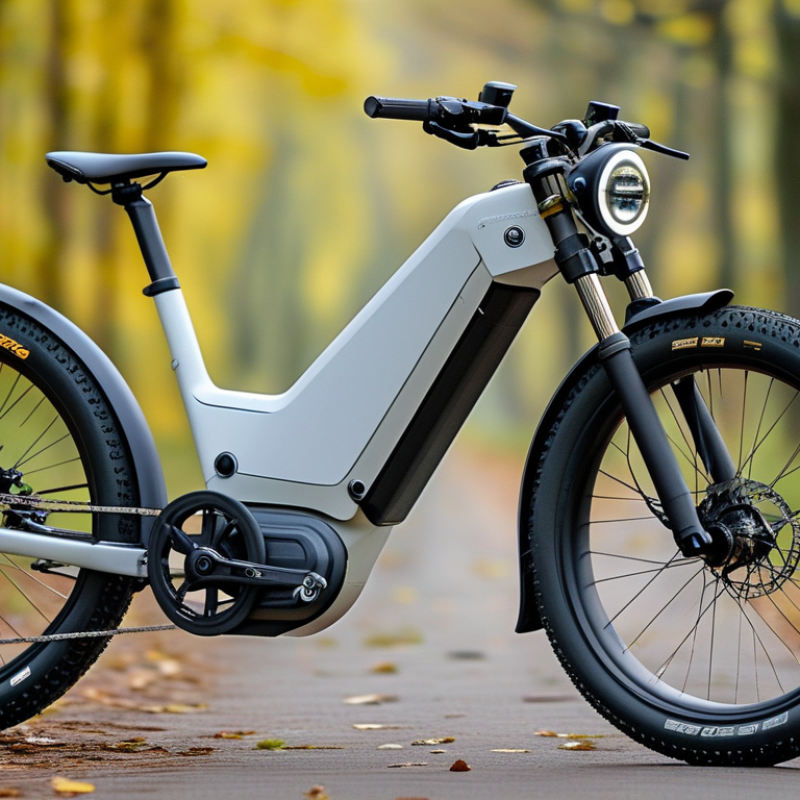
When choosing an electric bike, understanding the different types and their features is crucial. The market currently offers several categories: city bikes, mountain bikes, and folding bikes. According to a report by the Electric Bicycle World Report, about 45% of consumers prefer city e-bikes for daily commuting. These bikes often come with additional features like integrated lights and sturdy racks for carrying items.
Mountain e-bikes have gained popularity as well, especially among outdoor enthusiasts. Their enhanced suspension systems and rugged tires are designed for off-road conditions. The same report indicates that mountain e-bikes account for nearly 30% of the global e-bike market. Riders of these bikes often value durability and performance, yet they may overlook weight considerations.
Folding bikes appeal to urban dwellers due to their compact nature. They are ideal for combining biking with public transport. However, users should be cautious about their smaller wheels, which can affect stability at higher speeds. Data shows that while they make up about 10% of sales, their unique functionality must be weighed against potential downsides, like a less comfortable ride on uneven terrain. Understanding these distinctions can significantly enhance the overall biking experience.
: The main types include city bikes, mountain bikes, and folding bikes. Each has unique features and purposes.
City e-bikes are favored for daily trips due to features like integrated lights and sturdy racks for carrying items.
Look for suspension systems and rugged tires for off-road use. Think about durability, though weight is often overlooked.
Their compact design makes them ideal for public transport. However, smaller wheels can impact stability at higher speeds.
Battery life is crucial. Aim for a minimum of 30 miles per charge for convenience and reduced charging frequency.
Range is affected by the watt-hour rating, riding style, and terrain. Consider these before making a purchase.
Heavier bikes can drain batteries faster, especially on inclines. This might limit your riding distance.
Regular maintenance, smart charging, and understanding your bike’s needs help enhance battery longevity and performance.
Detachable batteries ease charging and replacement. They can be great for longer commutes but require proper handling.
Proper research on bike types, battery needs, and maintenance can greatly enhance your overall riding experience.
When choosing the best electric bike for your needs, it's essential to understand the various types and features available. Electric bikes come in different styles, including commuter models, mountain bikes, and folding bikes, each designed for specific riding experiences. Key factors to consider include the bike's battery life and range, ensuring it meets your daily commuting requirements, as well as comfort and ergonomics to enhance your riding experience.
Additionally, budgeting for an electric bike involves not only the initial purchase cost but also long-term maintenance expenses. Weighing these considerations carefully will help you make an informed decision, allowing you to select an electric bike that perfectly fits your lifestyle and individual preferences.

 Limaotong