Choosing the right Electric Moto can be challenging. With so many options available, it's essential to consider your personal needs. According to Emma Greene, an industry expert and electric motorcycle designer, “Selecting the best Electric Moto aligns with your lifestyle and commuting habits.”
Electric Motos offer a blend of convenience and eco-friendliness. However, not every model suits everyone. Features like battery life, range, and comfort vary widely across brands. For instance, you might need a long-range bike for daily commutes, while others may prioritize speed or design.
Reflecting on your preferences can be beneficial. Some users might overlook the importance of local terrain or climate. An Electric Moto that excels in urban environments may not perform well on rough roads. It's vital to ask questions and gather reliable information before making a decision. The right choice should enhance your riding experience while fitting seamlessly into your life.
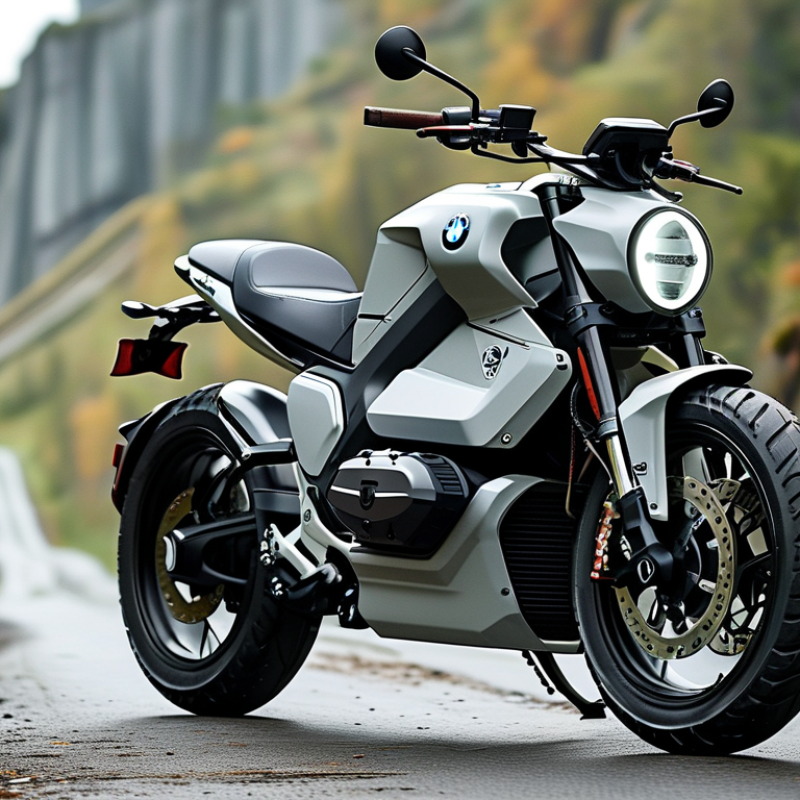
When selecting an electric motorcycle, understanding your riding needs is crucial. If you plan to ride in urban settings, focus on features like maneuverability and charging efficiency. Urban trails are often crowded, so a lightweight bike can help you navigate traffic easily. Additionally, consider the bike's range. In cities, frequent stops are common, and a quick recharge can enhance your experience.
Conversely, off-road riding demands sturdier features. Terrain can be unpredictable, so robust tires and powerful suspension systems are important. Make sure the bike can handle rough surfaces. Additionally, think about battery capacity. Longer trails mean you can't afford to run out of power unexpectedly. It’s important to analyze your local routes to ensure your electric moto can meet your needs.
This decision involves introspection. Reflect on how often you ride and where. Do you prefer city streets or adventurous trails? There is no one-size-fits-all solution. Each riding style has its strengths and weaknesses. Evaluate what matters most to you, and choose accordingly. Balancing between speed, power, and efficiency is essential for your satisfaction.
When selecting an electric moto, battery life is a crucial metric to consider. It directly affects how far you can travel on a single charge. Some models boast impressive ranges, often exceeding 100 miles. However, determining whether this range fits your lifestyle requires reflective thinking. Ask yourself: How often do you travel long distances?
Charging time also plays a significant role. Most electric motos take several hours to charge fully. Convenience matters here. If you frequently make stops, you’ll want a fast-charging option. Look for features like quick-charge compatibility. This can substantially cut downtime and enhance your riding experience.
Examine your riding habits critically. Sometimes, the allure of a long range can overshadow practical needs. Ensure the battery performance aligns with typical routes you take. Don't just aim for numbers; consider real-life scenarios. This is essential for choosing the best electric moto tailored to your requirements.
This chart evaluates the travel range and charging time of different electric motor models, helping you determine which model best suits your needs based on battery life metrics.
When selecting an electric moto, wattage plays a crucial role in performance. Motor power determines acceleration, ease of handling, and overall speed. Generally, higher wattage offers better torque and helps you tackle steep hills effortlessly. A 500-watt motor is a suitable choice for city commuting, while 1000 watts can handle off-road terrain with ease.
However, more power isn't always better. It can lead to increased battery consumption, affecting range. If your rides are short, a lower-watt model could meet your needs effectively. Consider your environment and travel distance. Urban riders might prioritize efficiency over raw power.
In addition, understand the weight capacity and terrain you'll encounter. The ideal wattage varies based on rider weight and conditions. For example, a heavier rider may require a higher wattage for similar performance. Reflect on your personal preferences. A balance between power and efficiency is essential for a satisfying ride.
When selecting an electric motorcycle, understanding weight and handling is crucial for maneuverability and comfort. A lighter bike often provides better agility. According to industry studies, an e-moto weighing around 200 pounds can significantly improve handling, especially in urban environments. Riders frequently report feeling more confident in tight spaces when the weight is manageable.
In contrast, heavier models might offer stability but can become cumbersome. Data indicates that bikes above 400 pounds may require more effort for precise turns. This can lead to fatigue during long rides or in stop-and-go traffic. Comfort is also impacted; bulky designs can limit the rider's ability to shift weight effectively. Riders often need to reassess their preferences, especially if they experience strain during longer rides.
Ultimately, selecting an electric motorcycle involves weighing these factors. Finding the right balance can ensure that you enjoy both comfort and control. Many potential riders underestimate the importance of handling, leading to discomfort and decreased confidence on the road. Exploring different models and test rides can reveal surprising insights about personal comfort and maneuverability.
| Model | Weight (lbs) | Handling Rating (1-10) | Maneuverability (1-10) | Comfort Level (1-10) |
|---|---|---|---|---|
| Electric Moto A | 250 | 8 | 9 | 7 |
| Electric Moto B | 300 | 9 | 8 | 9 |
| Electric Moto C | 280 | 7 | 7 | 8 |
| Electric Moto D | 320 | 6 | 6 | 6 |
| Electric Moto E | 260 | 8 | 9 | 8 |
When choosing an electric moto, safety features should be a primary concern. A reliable bike must have robust braking systems, such as anti-lock brakes. These prevent wheel lock during hard stops. Moreover, many models feature regenerative braking, which adds control while recharging the battery. Ensure that your moto includes visible lights and indicators for nighttime riding. Good visibility reduces the risk of accidents.
Another essential element is the strength of the frame. A sturdy design absorbs shocks and enhances stability. Check for reinforced materials that withstand impacts. Seat height matters too; it influences balance and rider comfort. A lower center of gravity improves handling, especially for beginners. Consider models with a wide tire design for better traction on diverse surfaces.
Rider protection gear complements moto safety. Helmets, gloves, and protective clothing are crucial. However, not everyone uses them consistently. This inconsistency is a significant oversight. Riders should also reflect on their riding habits. Are they aware of their limits? A safe ride starts with responsible behavior. Investing in safety features is vital for enjoyable riding, but it’s equally important for riders to prioritize their own safety practices.
: Focus on lightweight bikes, maneuverability, and quick charging options. These features help navigate crowded city streets.
Off-road bikes need robust tires, strong suspensions, and adequate battery capacity. Terrain can be unpredictable, so durability is key.
Battery life determines how far you can travel on a single charge. Reflect on your travel habits to match your lifestyle.
Charging time affects convenience. Fast-charging options minimize downtime, allowing for more ride time on long journeys.
Lighter bikes are often more agile and easier to handle, especially in urban settings. This enhances rider confidence and comfort.
Heavier bikes may offer stability but can be cumbersome. They require more effort to maneuver, especially in tight turns.
Assessing weight, handling, and riding style is essential. Comfort influences your enjoyment and performance during rides.
Reevaluate your bike choice and handling. Sometimes a heavier bike can lead to discomfort over extended periods.
Not necessarily. Consider your typical rides and stop frequency. Sometimes, real-life scenarios matter more than just impressive numbers.
Reflect on your riding preferences, local routes, and comfort. Test rides can provide valuable insights into the right fit for you.
When choosing the best Electric Moto for your needs, it's essential to understand the type of riding you'll be doing. Consider whether you'll primarily navigate urban environments or venture off-road, as this impacts your overall requirements. Evaluating battery life is crucial, focusing on travel range and charging time to ensure your Electric Moto can meet your daily demands.
Additionally, comparing motor power is important; identifying the optimal wattage will enhance your performance. The weight and handling of the Electric Moto also play significant roles in maneuverability and comfort during rides. Lastly, reviewing safety features is vital for ensuring enhanced rider protection. By focusing on these key areas, you can make an informed decision that aligns with your riding preferences and safety needs.

Limaotong