As the demand for sustainable transportation grows, Electric Trikes are becoming a significant player in the global market. According to a recent market report by Research and Markets, the global electric tricycle market is projected to reach USD 1.2 billion by 2026, indicating a growing trend towards eco-friendly mobility solutions. This surge is largely attributed to urbanization and the rising need for efficient, low-emission vehicles.
Industry expert John Smith, a leading analyst at GreenTech Innovations, states, "Electric Trikes represent the future of urban transport, providing an eco-friendly alternative that is both efficient and affordable." His insights echo the sentiments of many in the industry. Amidst the positive trends, challenges remain. Companies must navigate regulatory landscapes and consumer awareness to truly capitalize on this growth potential.
Innovation is crucial to stay competitive in the electric trike sector. Many manufacturers are exploring advanced battery technologies and smart features to enhance user experience. Yet, quality and affordability remain critical concerns. As more buyers enter the market, distinguishing reliable manufacturers from others will be vital. The Electric Trike industry stands at a pivotal moment, one that calls for strategic thinking and adaptability.
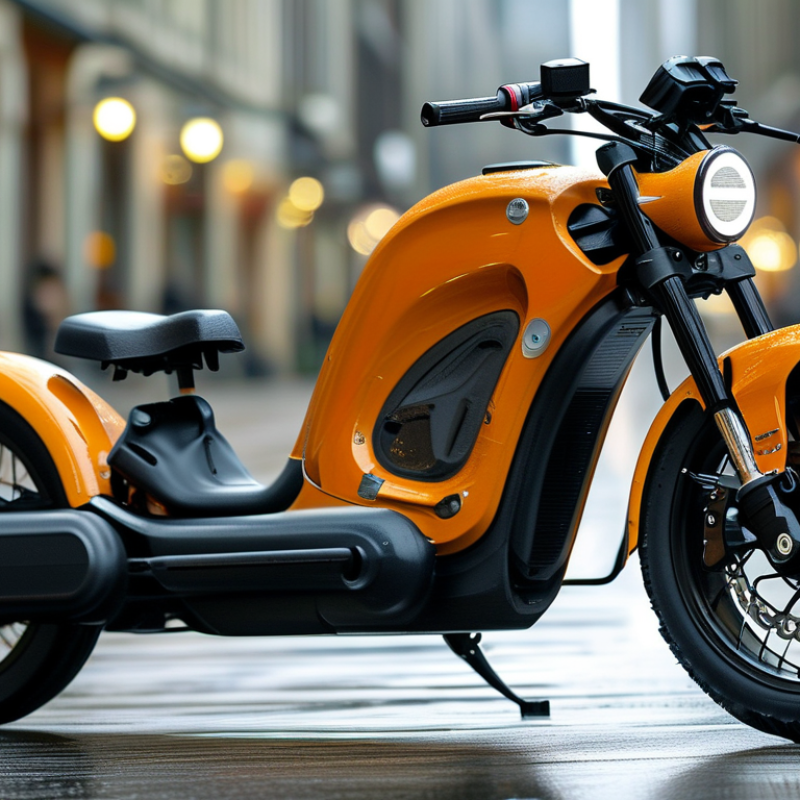
The electric trike market is experiencing significant growth, driven by increasing urbanization and a shift towards sustainable transportation. According to recent market analysis, the electric trike sector is projected to reach $10 billion by 2026, with a compound annual growth rate (CAGR) of over 15% from 2021. This trend reflects wider acceptance and demand for electric mobility solutions worldwide.
As cities become more congested, electric trikes offer an appealing alternative to traditional vehicles. They combine the benefits of bicycles and scooters, providing efficient urban transport without the environmental drawbacks of combustion engines. Features like upright seating, storage options, and enhanced stability make electric trikes a practical choice for many users. However, accessing charging infrastructure remains a challenge in some regions.
Tips for potential buyers: consider your local regulations regarding electric vehicles. Understanding these can help you choose the right model for your needs. Additionally, evaluate the battery life and range of different trikes, as they vary significantly. Investing in training for safe riding can also enhance your experience and safety on the road. Remember to factor in maintenance costs, as this can vary based on usage and type of trike.
The electric trike industry is witnessing rapid growth, driven by increasing demand for sustainable transportation. Key manufacturers are emerging, showcasing innovation and expertise. These companies focus on quality, design, and technology to meet diverse consumer needs. They prioritize reliability and performance to ensure a smooth riding experience.
Many manufacturers are investing in advanced battery technology. Improved battery life is crucial for longer journeys. It's not just about performance; the user experience plays a significant role. Comfortable seating, intuitive controls, and safety features are essential components. Despite the progress, some manufacturers still struggle with production scalability. Meeting global demand consistently remains a challenge.
Moreover, manufacturers are trying to balance cost with quality. Finding the right materials without sacrificing performance is tricky. In the coming years, collaboration among industry leaders may enhance innovation. By sharing insights, they can tackle common obstacles. The landscape is evolving, and manufacturers need to adapt quickly to changes in consumer preferences and environmental regulations.
The electric trike market is rapidly evolving, driven by innovative technologies in design and production. Manufacturers are focusing on lightweight materials to enhance efficiency. New battery technologies are increasing range and reducing charging time. Ergonomic designs are becoming a standard, making trikes more comfortable for daily use. Smart features, such as integrated navigation systems, are also gaining popularity.
Enhancements in electric motors are enabling better performance. Some manufacturers are experimenting with hub motors for a more compact design. Sustainability is at the forefront, with companies striving to use eco-friendly materials. This reflects a growing awareness of environmental issues. Yet, some companies still face challenges in balancing cost and innovation.
Finding the right electric trike can be complex. Look for manufacturers that prioritize reliability and user experience. Reading customer reviews can provide insights into performance. Pay attention to after-sales service offerings. This can significantly impact your ownership experience. The future of electric trikes looks bright, yet there’s always room for improvement in technology and design.
Electric trikes are gaining traction worldwide, influenced by various market trends. Urbanization continues to drive the demand for eco-friendly transportation. More people are looking for sustainable alternatives to reduce their carbon footprints. Electric trikes offer an appealing solution with lower emissions compared to traditional vehicles. Their compact design is ideal for crowded city streets, providing an efficient way to navigate through traffic.
Consumer preferences are shifting towards multifunctional tools that enhance mobility. Many electric trikes now come with storage options and passenger seats. This versatility makes them suitable for both commuting and leisure activities. Additionally, the growing popularity of bike-sharing programs highlights a rising acceptance of electric trikes in urban settings. However, challenges persist, including limited charging infrastructure in certain regions.
Affordability is another significant factor influencing adoption rates. While prices have decreased, many consumers still find electric trikes a substantial investment. Some individuals may hesitate due to concerns about maintenance and battery life. Awareness programs can address these issues, helping potential buyers understand the long-term benefits. Overcoming these barriers is crucial for increased adoption.
When considering an electric trike manufacturer, multiple factors play a crucial role. Quality should be at the forefront of your decision. This includes the materials used in construction and the overall design. Durability is vital for longevity, especially if you plan to use the trike for daily commutes. Researching customer reviews can provide insights into real-world performance.
It's essential to evaluate the manufacturer’s production capabilities. Look for companies that emphasize advanced technology and innovation. This ensures you receive the latest advancements in electric trike design. In the fast-evolving market, a manufacturer that stays updated can offer superior products. Explore their experience in the industry; longer tenure often correlates with reliability.
Consider the after-sales service offered. A good manufacturer should provide robust support, including warranties and spare parts availability. Ease of maintenance can also enhance your experience. The purchasing process should be straightforward, ensuring transparency regarding costs and features.
Choosing the right electric trike manufacturer requires careful thought. Check the company’s reputation but also be aware of your specific needs. Reflect on what aspects matter most to you—be it performance, price, or eco-friendliness. Balancing these factors will guide you toward a satisfying choice.
| Manufacturer Region | Annual Production Capacity | Key Features Offered | Average Price Range | Customer Support Rating |
|---|---|---|---|---|
| North America | 10,000 units/year | High-speed motors, long-range batteries | $2,000 - $4,500 | 4.5/5 |
| Europe | 15,000 units/year | Eco-friendly materials, customizable designs | $3,000 - $5,000 | 4.7/5 |
| Asia | 25,000 units/year | Affordable pricing, diversified models | $1,500 - $3,500 | 4.3/5 |
| Oceania | 8,000 units/year | Lightweight frames, user-friendly technology | $2,500 - $4,000 | 4.6/5 |
| South America | 5,000 units/year | Rugged construction, high battery efficiency | $1,800 - $3,200 | 4.2/5 |
: Urbanization and a shift towards sustainable transportation are key drivers of growth.
The market is expected to reach $10 billion by 2026.
Electric trikes offer upright seating, storage options, and stability, ideal for city environments.
Accessing charging infrastructure can be a significant challenge in certain regions.
Buyers should consider local regulations, battery life, range, and maintenance costs.
They are using lightweight materials and innovative battery technologies for better efficiency.
Ergonomic designs enhance comfort, making trikes suitable for daily use.
Smart features, like integrated navigation, are becoming popular for user convenience.
Reviews can provide insights into performance and after-sales service, which affect ownership.
Yes, there is always potential for better technology and design in the market.
The electric trike market is poised for significant growth in 2026, driven by innovative technologies and shifting consumer preferences. Key manufacturers are leading the charge, utilizing advanced designs and production methods to enhance the functionality and appeal of electric trikes. These innovations focus on improving battery life, enhancing safety features, and increasing overall efficiency, making electric trikes a viable option for more consumers worldwide.
Market trends indicate a rising interest in sustainable transportation solutions, positioning electric trikes as an attractive alternative to traditional vehicles. As global buyers consider their options, it is essential to evaluate key factors such as quality, support, and the manufacturer's commitment to innovation. By understanding the evolving landscape of the electric trike industry, buyers can make informed decisions that align with their mobility needs and environmental values.

Limaotong