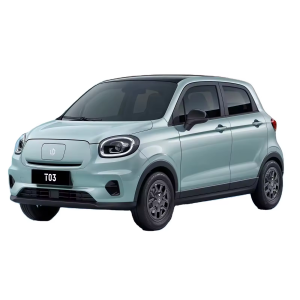
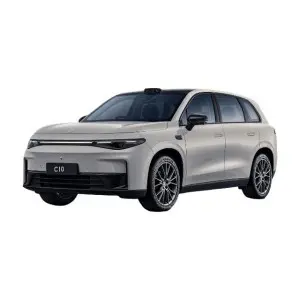
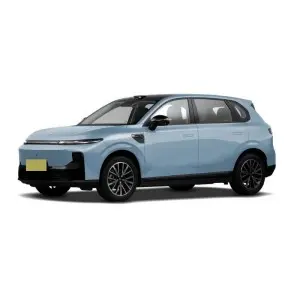
High-performance electric passenger e-trikes, cargo tricycles, and micro vehicles engineered for reliability and long-range cycles.
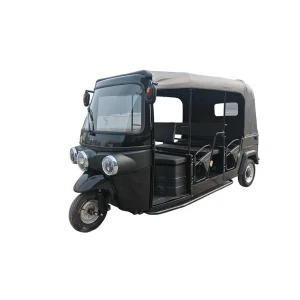
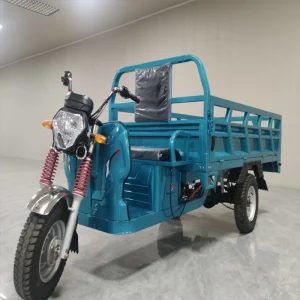
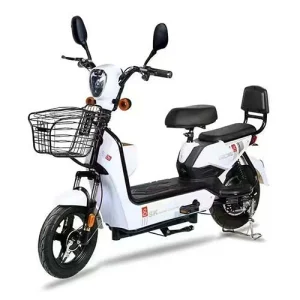
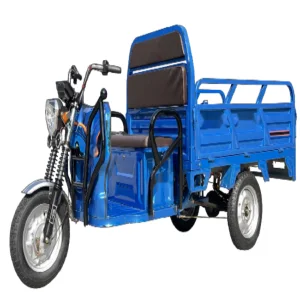
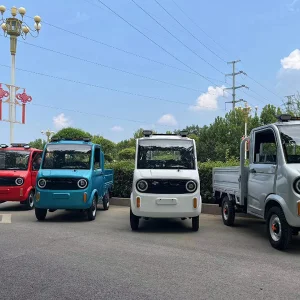
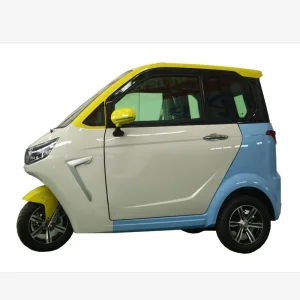
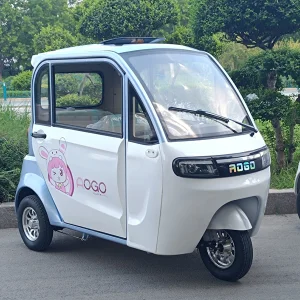
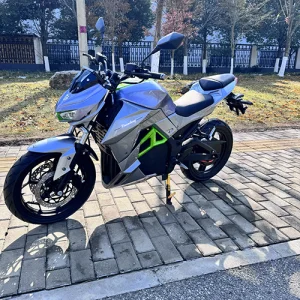
Analysis of Electric Tuk Tuks, Cargo E-Trikes, and light electric commercial vehicles in modern logistics and transit.
Urban centers are introducing strict zero-emission zones to curb localized pollution. Commercial fleets face the challenge of cost-effective delivery options under these regulatory frameworks. High-Capacity Electric Cargo Tricycles provide an ideal solution, combining small footprints, high structural payload capabilities, and zero localized greenhouse gas emissions.
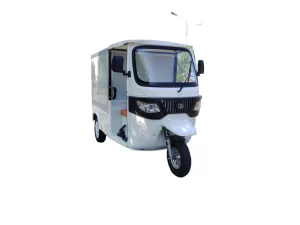
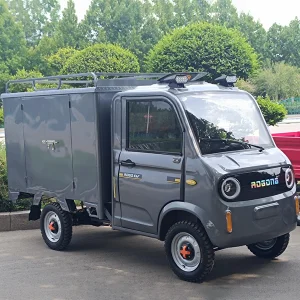
Designed for multi-drop dispatch, our cargo configurations (with up to 1,800 kg capacity) feature low maintenance overhead, easy grid integration, and specialized structural bodies that negotiate congested streets better than conventional combustion-powered vans.
For fleet managers in developing regions and metropolitan hubs alike, TCO is the primary driver of purchase decisions. Electric Tuk Tuks lower operating expenditures by up to 75% compared to petrol-based equivalents. The reduction in complex moving parts (such as pistons, fuel injection systems, and multi-speed transmissions) limits standard maintenance calls to simple tire rotations, braking assemblies, and diagnostic battery sweeps.
Integration of high-efficiency brushless DC motors (BLDC) and Permanent Magnet Synchronous Motors (PMSM) drives transmission efficiency past 90%, transforming raw battery power into consistent torque across all load rates.
SHANDONG LI MAO TONG GROUP is a global manufacturer of electric mobility solutions, operating a vertically integrated supply chain. We specialize in the research, mechanical engineering, and international distribution of motor tricycles, high-capacity cargo tricycles, and electric passenger mini cars.
Since our inception, our vehicles have been deployed in over 120 countries. Operating through 8 overseas production bases, we customize and manufacture units configured for specific regional climates, terrains, and regulatory expectations. Our logistics infrastructure is supported by an East African fulfillment hub in the Djibouti International Free Trade Zone, enabling rapid component supply and technical support.
Countries and Regions Globally Served
Overseas Assembly & Production Bases
Households Globally Relying on Our Brand
Technical review of structural engineering, battery management systems, and safety features.
Our electric drivetrains feature high-density LiFePO4 (Lithium Iron Phosphate) or heavy-duty deep-cycle Lead-Acid battery packs. These configurations are managed by an onboard Smart Battery Management System (BMS) that monitors state-of-charge, cell balance, and thermal limits, protecting against over-current and over-voltage scenarios.
By pairing high-output battery packs with regenerative braking controllers, our vehicles recover kinetic energy during deceleration, returning up to 12% of expended power to the cells and extending vehicle range during multi-stop routes.
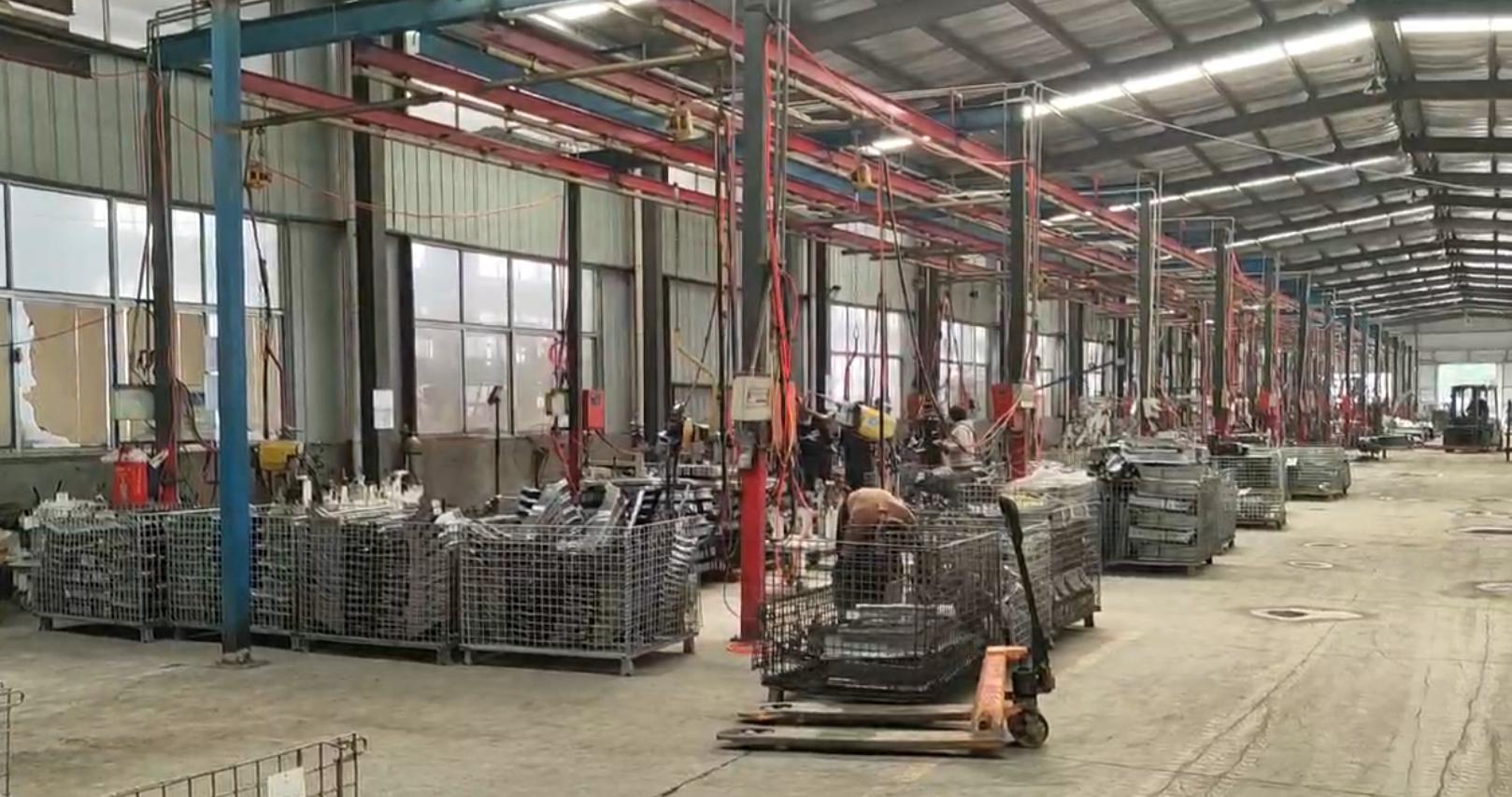
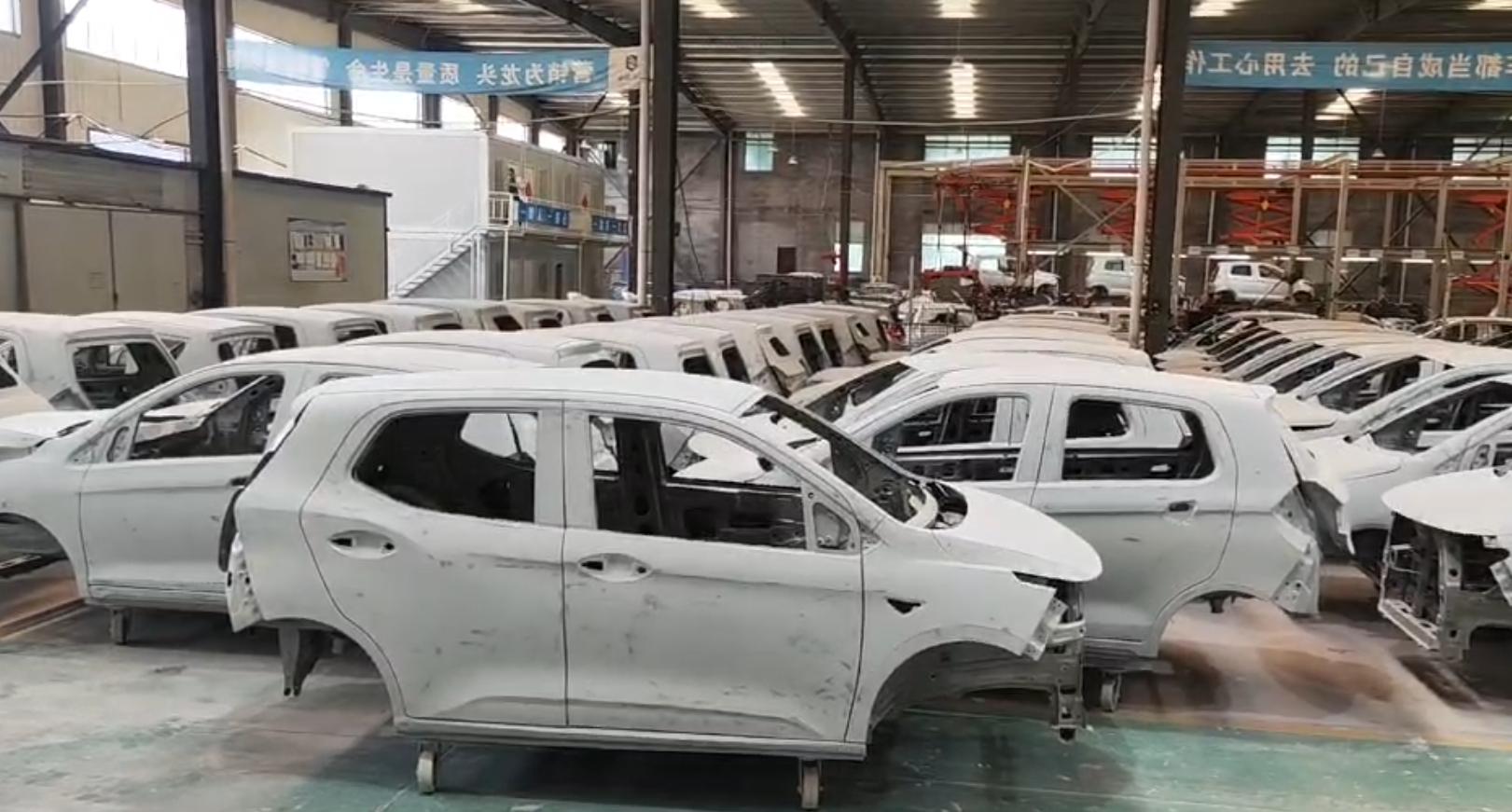
To withstand rough, unpaved surfaces, our vehicle frames utilize laser-cut high-tensile steel, stamped into one-piece structures under high tonnage. This eliminates stress concentrations common at welded seams.
Our corrosion prevention process includes automated multi-stage pickling, rinsing, and cathodic electrophoretic deposition (EPD) coating, followed by topcoat painting to provide salt-spray protection for coastal fleets. Standard testing includes load-bearing structural stress runs and extreme weather water-ingress simulations to verify component sealing.
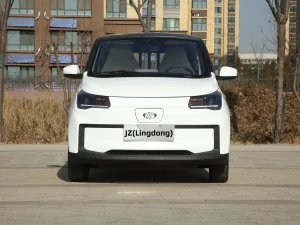
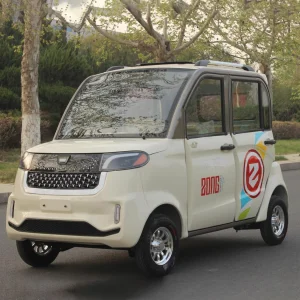
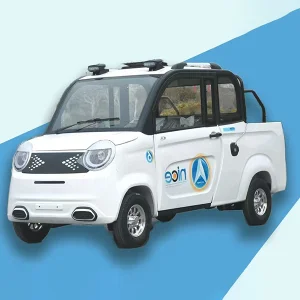
A selection of passenger shuttles, alternative energy cars, and light utility configurations.
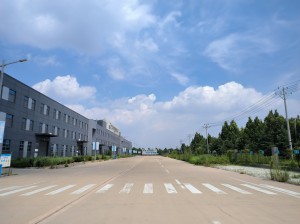
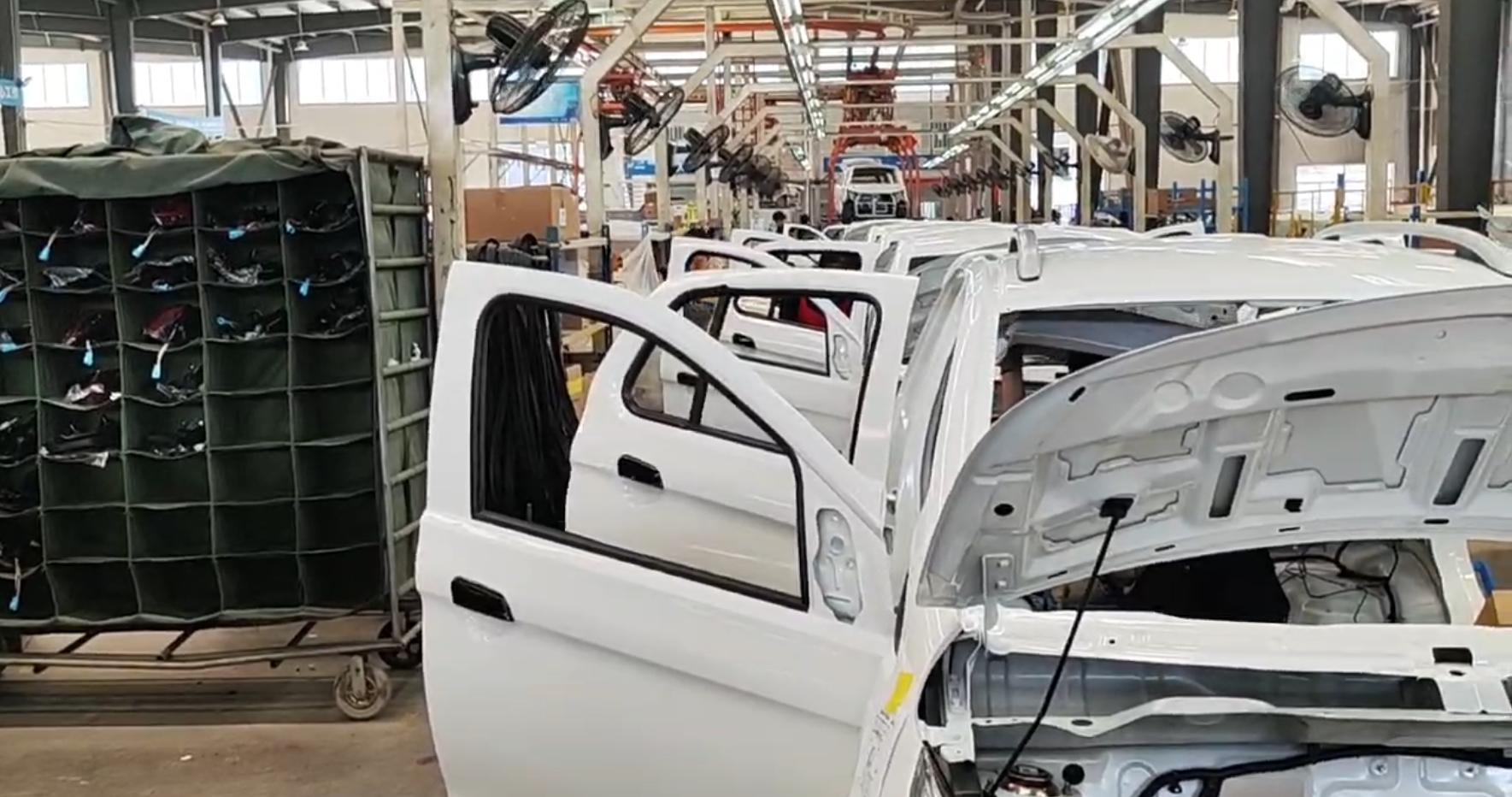
How our localized assembly lines and distribution facilities support fast-response logistics chains.
Navigating different vehicle homologation standards is a key challenge for clean-energy fleets. Our vehicles are manufactured to comply with certifications such as the European Whole Vehicle Type Approval (e-Mark/EEC) and US DOT standards. This simplifies compliance and vehicle registration for operators in European, North American, and Asian markets.
We supply complete knockdown (CKD) or semi-knockdown (SKD) kits to domestic assemblers, optimizing shipping volume and lowering import duty rates for regional distributors.
Our regional distribution is supported by the Djibouti Cross-Border E-Commerce Exhibition and Sales Center, established in 2023 in the Djibouti International Free Trade Zone in East Africa.
Operating through a localized trade model, this hub provides logistics, customs clearance support, spare parts storage, and field technical assistance. It serves as a central supply corridor for our electric cargo tricycles, tuk-tuks, and passenger vehicles across East and Central Africa.
A record of our international trade show presence, manufacturing checks, and delivery facilities.
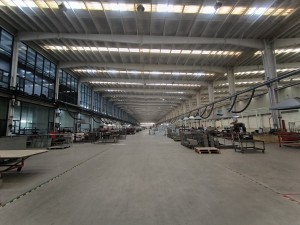
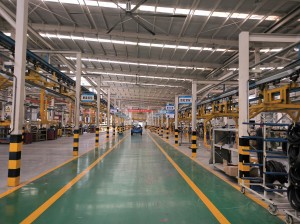
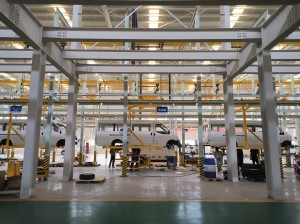
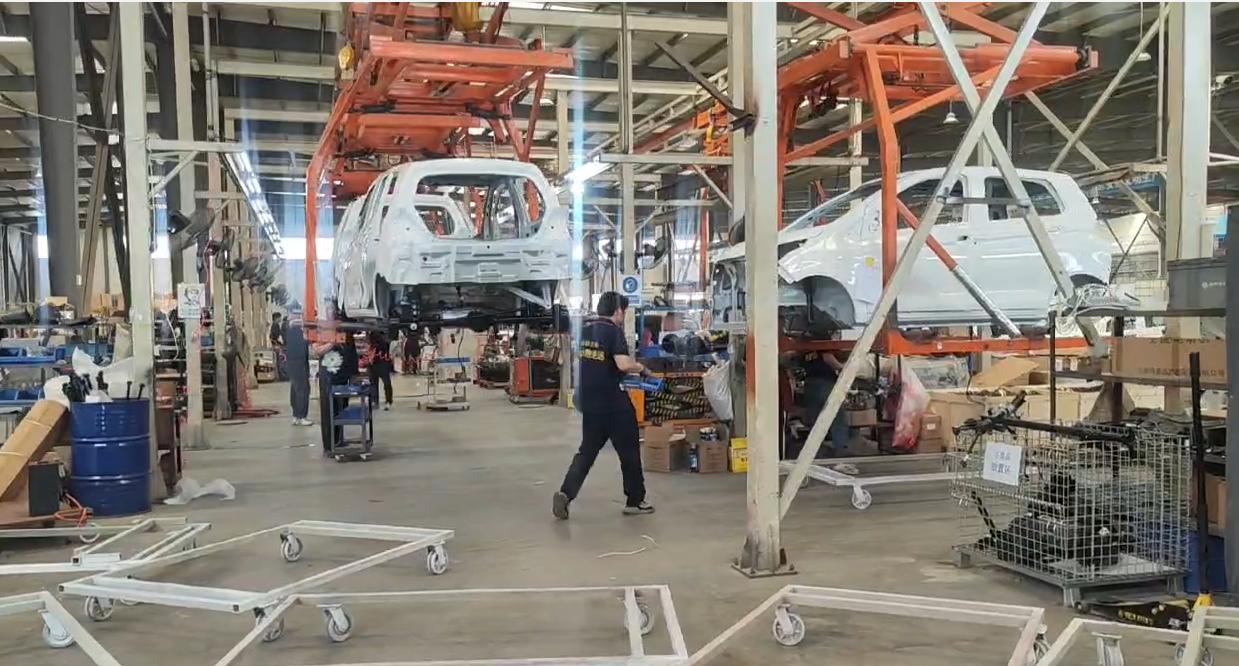
Exploring targeted deployments and integration strategies for electric drivetrains.
Our passenger models (ranging from enclosed 3-seaters to larger 7-seat variants) are engineered for urban transit and point-to-point shuttle operations. Ergonomic bench layouts, weatherproof side enclosures, and interior lighting profiles ensure passenger safety under variable conditions.
These configurations are designed for quick battery swaps or standard high-amperage AC overnight charging, allowing transit operators to maximize vehicle uptime.
Our development efforts focus on integrating next-generation drivetrain technologies. Key projects include the development of solid-state battery options to increase volumetric energy density, and integrating CAN-Bus vehicle diagnostics to facilitate real-time fleet telematics tracking.
Additionally, we are testing integrated roof-mounted solar PV systems. These systems convert ambient solar energy into low-voltage top-up charges, helping to extend vehicle range in high-insolation environments.
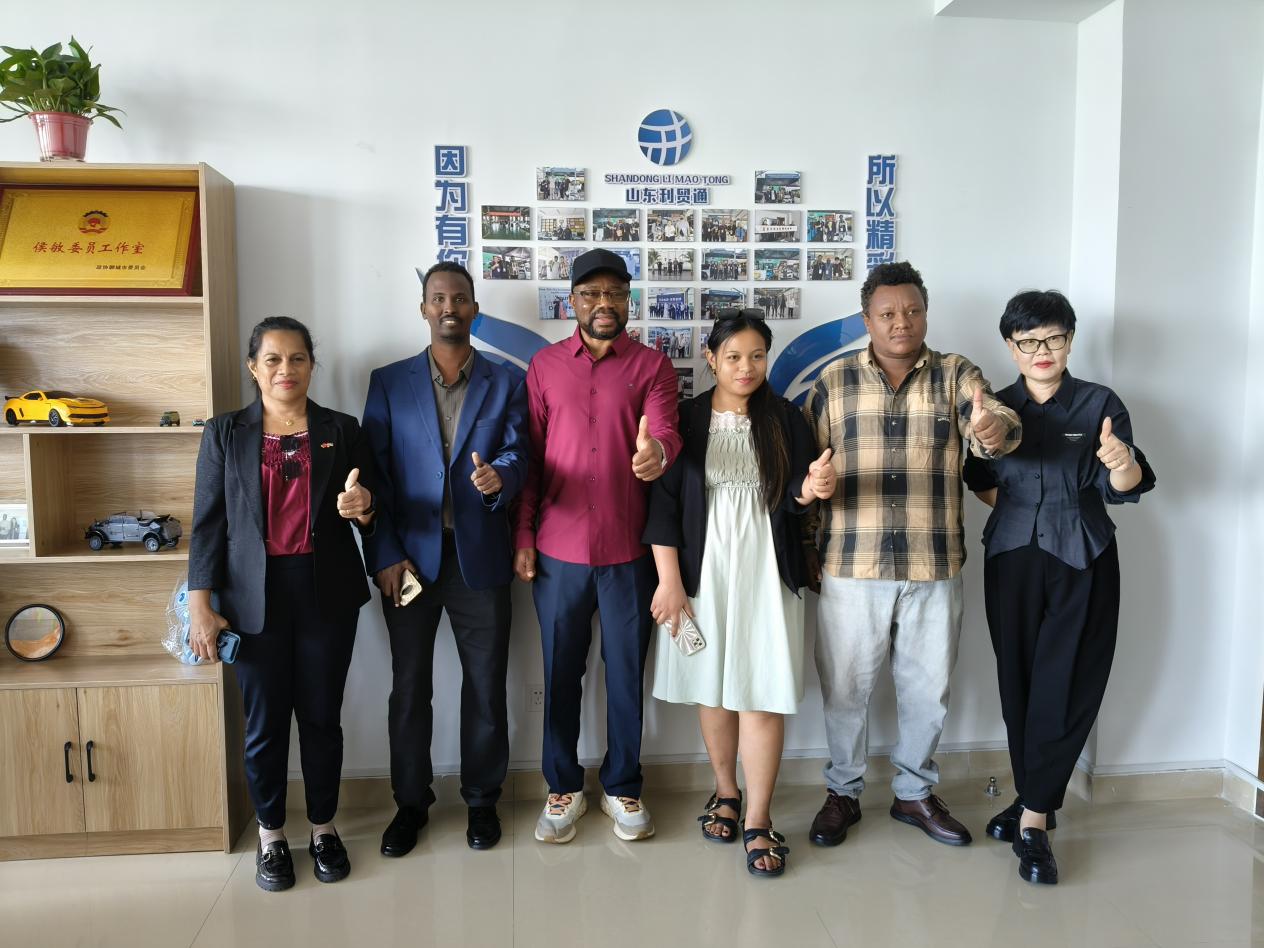
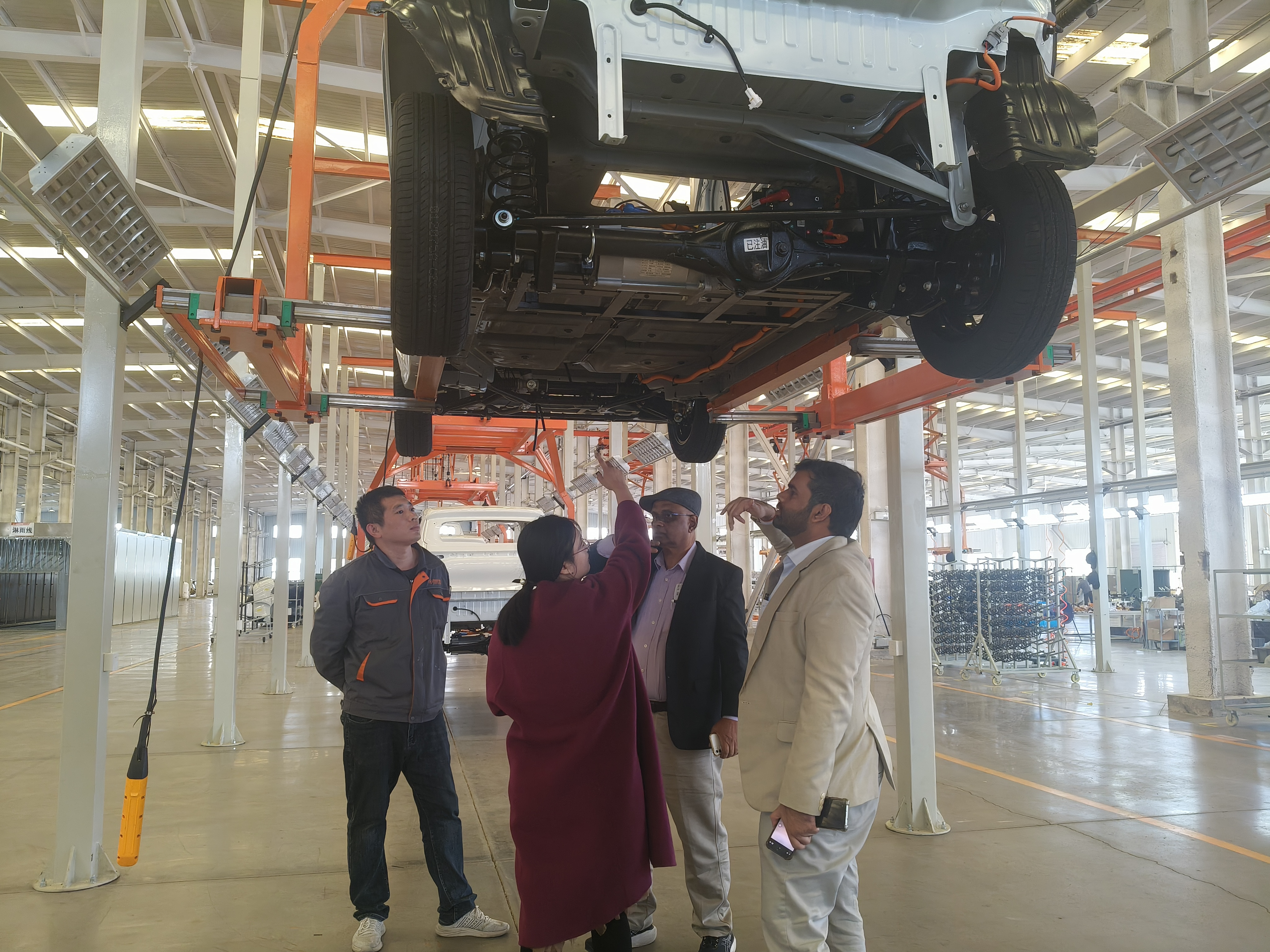
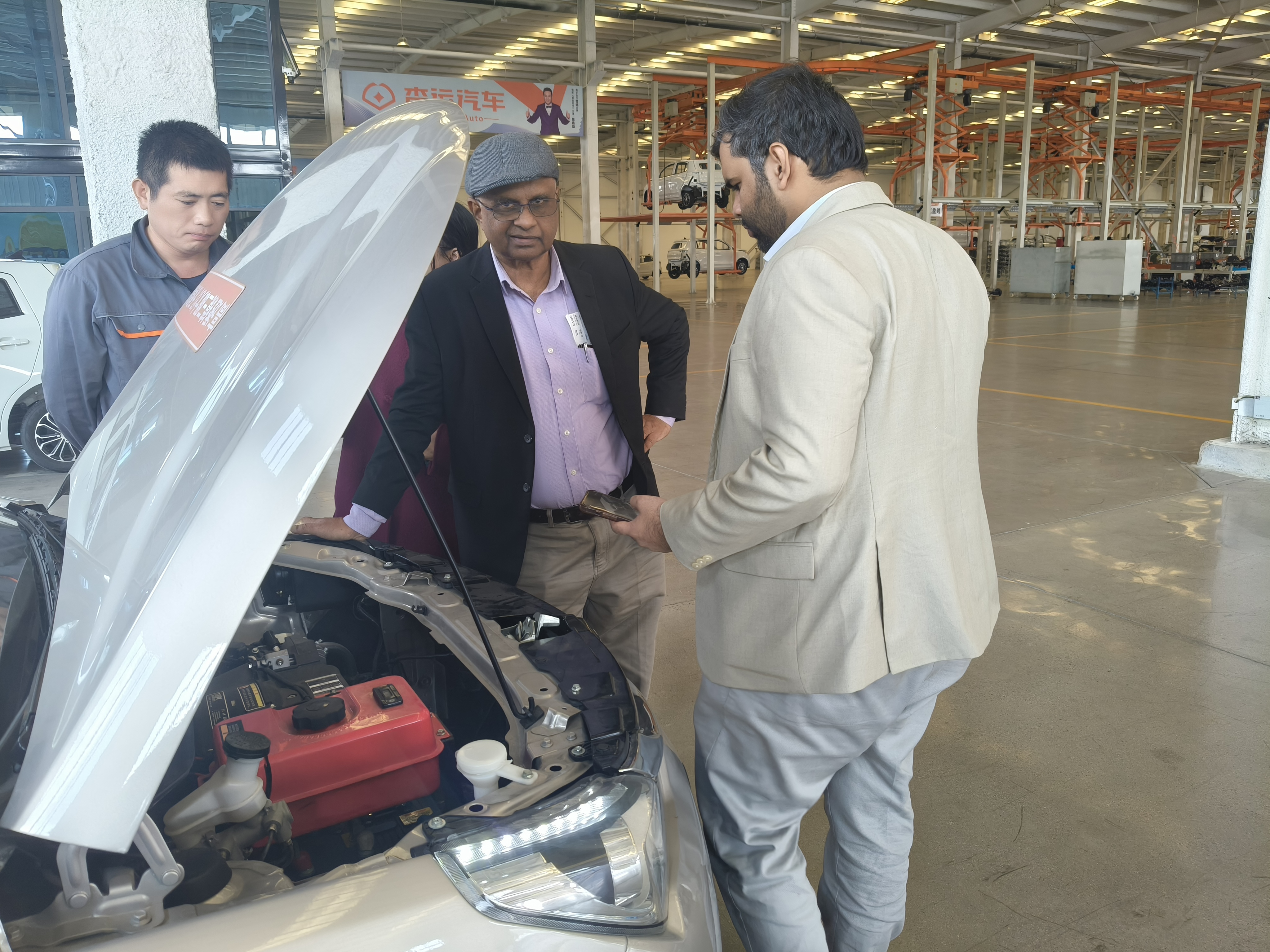
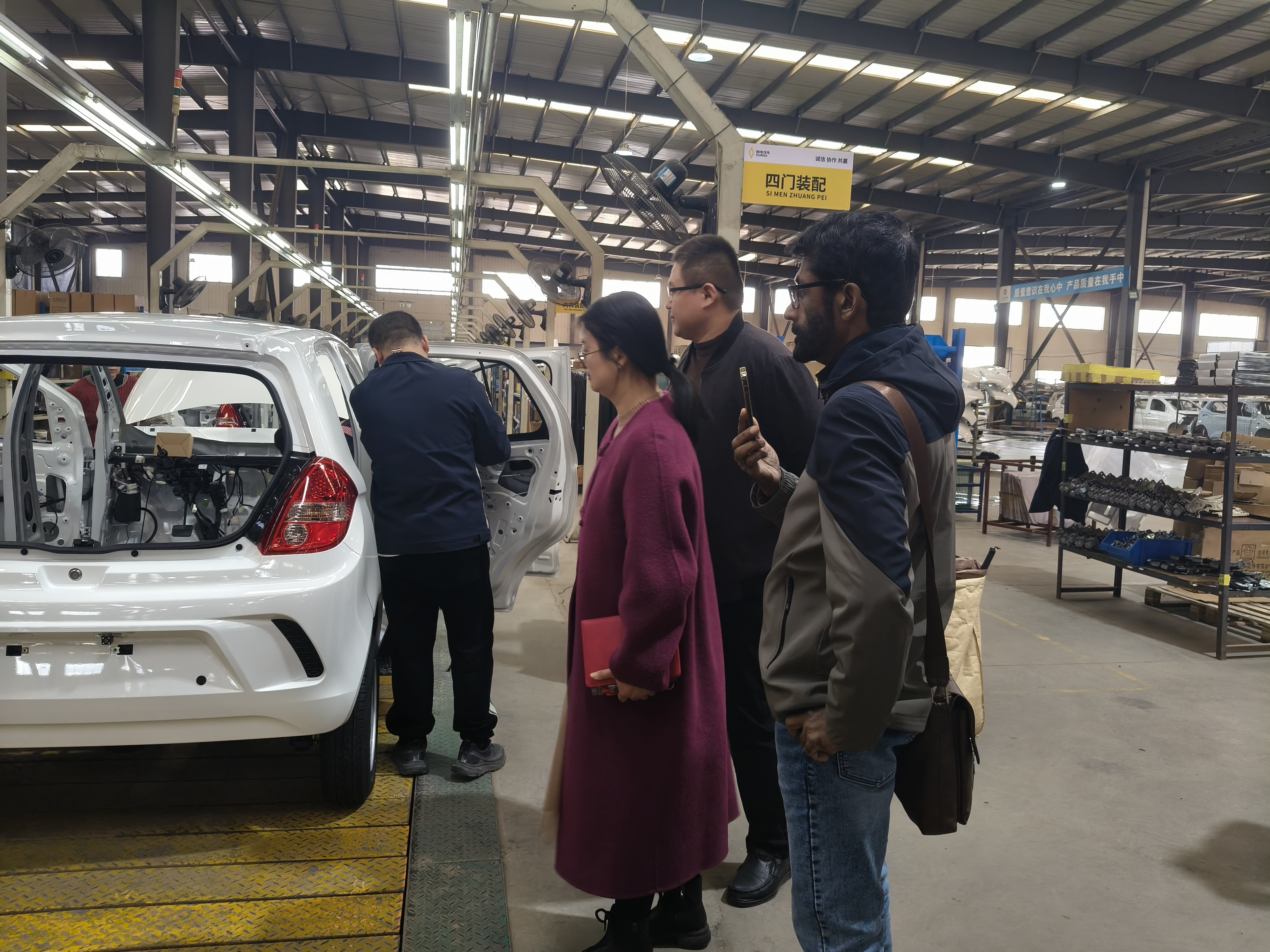
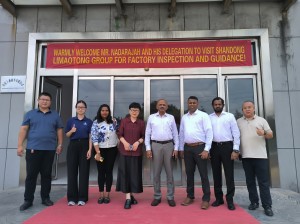
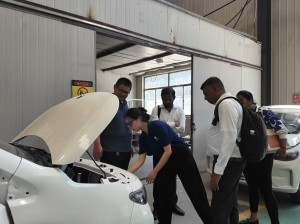
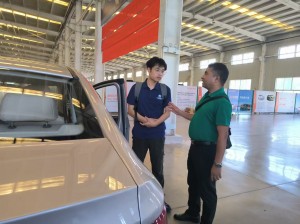
Transparency in manufacturing. Global partners inspecting production processes, dimensional tolerances, and testing protocols.

Technical specifications, customization, battery cycle life, and logistics details.
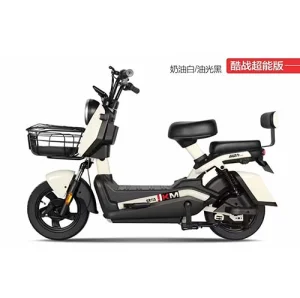
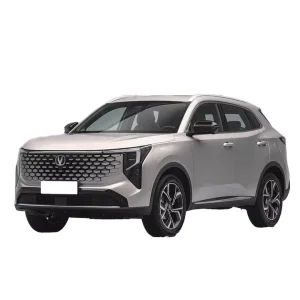
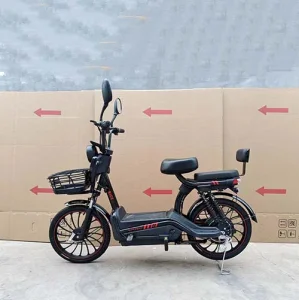
Compact electric vehicles, delivery trucks, passenger vehicles, and two-wheeled units for municipal and commercial fleets.
 Limaotong